FRP & Carbon Fiber in Chemical Plants: Corrosion Resistance in Action

Chemical plants operate in some of the harshest industrial environments—acids, solvents, toxic gases, abrasive fluids, and high-temperature operations are part of the daily ecosystem. Traditionally, metals like steel and aluminium were extensively used in pipelines, storage, and processing systems, but severe corrosion, expensive maintenance cycles, and increasing environmental compliance challenges have accelerated the move toward advanced materials.

That future is already here—and it is being shaped by FRP composites and Carbon Fiber engineered components.

Why FRP and Carbon Fiber?

When exposed continuously to corrosive chemicals, conventional materials experience:

    • corrosion

    • oxidation

    • rusting

    • mechanical wear

    • structural degradation

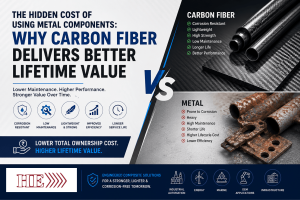
FRP (Fiber Reinforced Polymer) and Carbon Fiber deliver unmatched chemical resistance while maintaining high mechanical performance.

These advanced composites offer:

✔ long-term corrosion protection
✔ low maintenance
✔ high mechanical strength
✔ extreme durability
✔ lightweight handling
✔ compatibility with harsh chemical exposure

This is exactly why FRP for chemical industries has become a global replacement for metal engineering components.

Exposure to Acids, Solvents & Harsh Process Chemicals

Chemical processing equipment often deals with:

• hydrochloric acid
• sulphuric acid
• caustic soda
• chlorine
• solvent fumes
• corrosive wastewater
• toxic gases

Traditional metals simply cannot resist long-term exposure without coatings and continuous treatment.

FRP and Carbon Fiber, however, naturally withstand:

      • aggressive acids

      • high moisture

      • oxidizing chemicals

      • abrasive particles

      • dissolved salts

      • industrial solvent fumes

Areas of application inside chemical plants:

      • tank covers

      • scrubbers

      • exhaust systems

      • pipelines

      • FRP gratings

      • HVAC ducts

      • structural platforms

      • chemical storage units

      • fume extraction systems

At Hindustan Engineers, we specialize in manufacturing FRP components, Carbon Fiber sheets, FRP molded parts, industrial grating and customized FRP structures engineered precisely for aggressive chemical exposure.

Why FRP Works So Well with Chemicals

FRP is formulated with resins and fibers that resist molecular reaction with corrosive compounds.

Key FRP advantages:

    • corrosion proof

    • impact resistant

    • leakage resistant

    • electrically non-conductive

    • excellent thermal resistance

    • lightweight and strong

Which makes FRP a long-term choice in chemical and petrochemical applications.

The Carbon Fiber Advantage

Carbon Fiber introduces another level of performance—especially in demanding operations where:

    • temperature fluctuates

    • chemical exposure is continuous

    • structural fatigue is a risk

    • lightweight strength is essential

    • operational uptime is critical

Carbon Fiber is widely adopted in:

  • solvent processing applications

  • chemical reactors

  • corrosive industrial machinery

  • pressure equipment

  • rotating components

Its exceptional strength-to-weight ratio makes it the preferred alternative where steel fails and FRP alone may not be sufficient.

Long-Term Durability: Designed to Last

Due to long exposure cycles, chemical plants require components that do not just survive—but remain reliable for decades.

FRP & Carbon Fiber deliver:

    • long lifecycle

    • reduced maintenance downtime

    • lower operational cost

    • zero corrosion degradation

    • reduced structural replacements

This drives major lifetime savings—which is one reason modern chemical facilities are shifting to FRP and carbon composite infrastructure.

Industry Compliance & Safety Standards

Chemical industries must follow strict compliance related to:

    • worker safety

    • emission control

    • environmental health

    • corrosion control

    • waste containment

FRP is increasingly used because:

    • it reduces chemical leakage risk

    • prevents toxic fume exposure

    • maintains structural reliability

    • avoids safety failures associated with corroded metal

At Hindustan Engineers, our FRP and Carbon Fiber products are manufactured with chemical-grade resins, reinforced fibers, and QC-verified laminates that meet industry-approved safety standards.

Products We Manufacture for Chemical Industries

Our India-manufactured FRP & Carbon Fiber solutions include:

    • FRP sheets & panels

    • Carbon Fiber sheets

    • FRP molded products

    • Custom FRP components

    • Carbon Fiber tubes

    • FRP industrial grating

    • Reinforced composite structures

    • Industrial composite components

    • FRP tank equipment

    • Composite enclosures

    • FRP support structures

    • Corrosion resistant parts & assemblies

All engineered specifically for corrosive applications.

Where FRP Outperforms Metal

AttributeMetalsFRP
CorrosionFailsExcellent
WeightHeavyLightweight
MaintenanceHighLow
LifespanLimitedLong-Term
Chemical ResistanceLowHigh

The Future of Chemical Engineering Materials

Chemical industries are rapidly adopting composite-based design due to:

    • increasing global safety regulations

    • demand for long-term plant durability

    • cost-saving operations

    • need for corrosion-resistant equipment

    • rising chemical process complexities

Carbon Fiber and FRP are not “future alternatives”—they are already transforming industrial engineering.

And Indian manufacturers like Hindustan Engineers are leading the way by delivering specialized composite solutions engineered for the chemical sector.

Why Partner with Hindustan Engineers

    • India’s trusted composite manufacturer

    • custom fabrication

    • industrial-grade engineering

    • chemical-resistant specification

    • advanced composite technology

    • product customization

    • supply capability for industrial-scale demand

    • end-to-end project support

Whether your requirement is maintenance replacement or a complete infrastructure upgrade—we can manufacture it.

Final Conclusion

Chemical industries require materials that are made to survive acids, solvents, and aggressive chemicals—and that’s exactly where FRP and Carbon Fiber deliver unmatched corrosion resistance, reliability, and durability.

If corrosion control is a priority—then composites are no longer optional—they’re a necessity.

Recent Post